Your Partner in FinTech Upskilling

Address:

Shelton Street, Covent Garden, London, UK

Contact Info:

Email: inquiry@yankagolemin.com

Working Hours:

M-F: 10:00AM – 3:00PM

© 2026 Yanka Golemin

Edit Template

Your Partner in FinTech Upskilling

Address:

Shelton Street, Covent Garden, London, UK

Contact Info:

Email: inquiry@yankagolemin.com

Working Hours:

M-F: 10:00AM – 3:00PM

© 2026 Yanka Golemin

Edit Template

Your Partner in FinTech Upskilling

Address:

Shelton Street, Covent Garden, London, UK

Contact Info:

Email: inquiry@yankagolemin.com

Working Hours:

M-F: 10:00AM – 3:00PM

© 2026 Yanka Golemin

Edit Template

Your Partner in FinTech Upskilling

Address:

Shelton Street, Covent Garden, London, UK

Contact Info:

Email: inquiry@yankagolemin.com

Working Hours:

M-F: 10:00AM – 3:00PM

© 2026 Yanka Golemin

Edit Template

Is Your SMB Ready for Real-Time Payments? The 2026 Shift That Changes Everything


  • Work
  • -
  • Payments
  • -
  • Is Your SMB Ready for Real-Time Payments? The 2026 Shift That Changes Everything


Real-time payments (RTP) are no longer a future concept—they’re becoming the global norm in 2026. With instant settlement rails expanding, open banking accelerating, and regulatory deadlines pushing modernization, small and midsize businesses (SMBs) must prepare or risk falling behind.

Below is a clear, SMB-friendly guide to what’s changing, why it matters, and how to prepare.


The 2026 Real-Time Payments Landscape

Real-time domestic payment systems are now standard in over 70 countries, and 2026 marks the year where instant payment networks become increasingly interconnected across borders — a major shift for how businesses operate globally.

For SMBs, this means:

  • Money moves instantly, 24/7.
  • No more waiting for bank cut-off times.
  • Working capital updates in real time.
  • Treasury, payroll, and vendor payments all change.

Meanwhile, faster ACH, open banking, and embedded finance are becoming the default payment experience for small businesses in 2026.


The Regulatory & Standards Shifts You Shouldn’t Ignore (Especially in the UK & Europe)

ISO 20022 Becomes Mandatory

By late 2026, major networks like Swift, SEPA, and CHAPS will reject payments that don’t follow structured data formats. This means outdated systems may cause failed or delayed payments.

UK Payment Modernization & Digital Wallet Ecosystem Growth

The UK continues expanding smarter digital wallets, AI-led commerce, and regulatory frameworks, shaping a more connected and resilient payments landscape in 2026.

For SMBs, this translates to:

Free or higher

Membership Required.

More content is available after subscription.

FREE Membership Available.

You must be a Free OR Paid member to access this content.


  • Faster, more secure transactions.
  • Stronger fraud prevention.
  • Pressure to modernize payment operations.

Why Real-Time Payments Matter for SMBs

  1. Cash Flow Becomes a Superpower

Instant settlement reduces cash-flow gaps and helps businesses make decisions with up-to-the-minute financial data.

  1. Lower Payment Processing Costs

Real-time account-to-account payments and open banking reduce reliance on expensive card rails.

  1. Faster Payouts & Refunds

Customer expectations are shifting toward immediate transactions and seamless experiences.

  1. Reduced Fraud & Stronger Security

AI-powered fraud controls and real-time sanctions screening are becoming industry standard.

What Your SMB Needs to Prepare

  1. Audit Your Payment Systems

Check whether your existing software and bank integrations support:

  • Real-time payment rails (e.g., Faster Payments, FedNow equivalents)
  • ISO 20022 structured data
  • Open banking connections
  1. Update Your Accounting & Treasury Workflows

Shift from batch-based processing to always-on liquidity management.

  1. Enhance Fraud Controls

Adopt solutions that support predictive and real-time fraud detection.

  1. Consider Embedded Finance Tools

Offer instant invoicing, payouts, or customer financing directly within your platform—now a standard SMB expectation.

Case Study: Starbucks and the Shift to Real-Time Payments

Business: Starbucks

Industry: Retail and Hospitality

Why This Case Matters: Starbucks operates one of the most widely used mobile payment ecosystems globally. Its move toward faster settlement and real-time balance updates provides a practical example of how large brands benefit from real-time payment capabilities.

The Challenge

Starbucks processes millions of transactions daily across store payments, mobile orders, and reloadable digital wallets. Historically, settlement delays created:

  • Lag in recognising revenue from prepaid balances.
  • Slower reconciliation across international markets.
  • Delayed visibility for inventory planning.

The Real-Time Payments Transformation

As payment networks expanded faster-settlement capabilities, Starbucks modernised its payment infrastructure to support:

  • Near-instant load and reload of Starbucks cards.
  • Real-time reconciliation between mobile and in-store systems.
  • Immediate financial reporting data for store and regional managers.

This shift aligned with consumer expectations for immediate confirmation and frictionless digital experiences.

Results

Starbucks saw measurable operational and financial benefits:

  • Faster cash flow access, especially for prepaid card balances.
  • Improved forecasting and inventory planning because updates were no longer delayed by settlement windows.
  • Reduced payment-related customer service issues, as balances and refunds updated instantly.
  • Stronger fraud monitoring, supported by real-time transaction scanning.

Why This Matters for SMBs

Although Starbucks is a global enterprise, the benefits translate directly to smaller businesses:

  • Faster access to funds improves stability.
  • Real-time visibility helps with staffing, purchasing, and inventory.
  • Customers increasingly expect immediate confirmations and refunds.

This example shows that real-time payments are not a future innovation but an operational advantage businesses can use today.

The Bottom Line: 2026 Is a Turning Point

The global payments infrastructure has been rebuilt for speed, intelligence, and interoperability. The question is no longer “Is RTP coming?” — it’s “Are you ready to compete in a real-time economy?”

SMBs that adapt now will gai

  • Faster cash flow
  • Lower operational costs
  • Better customer experience
  • Stronger fraud protection

Those that don’t risk failed payments, higher costs, and reduced competitiveness.

Previous Post
Stalling or Scaling at $10 Million? Why Your “Hub-and-Spoke” Model is Killing Growth
Next Post
How Barclays Used Open Banking APIs to Innovate Faster — And What SMBs Can Learn From It

Trending Posts

  • All Posts
  • AI & Finance
  • Case Studies
  • Compliance
  • Financially Wired
  • FinTech Strategy
  • Lessons
  • Payments
  • Signals
  • Skills

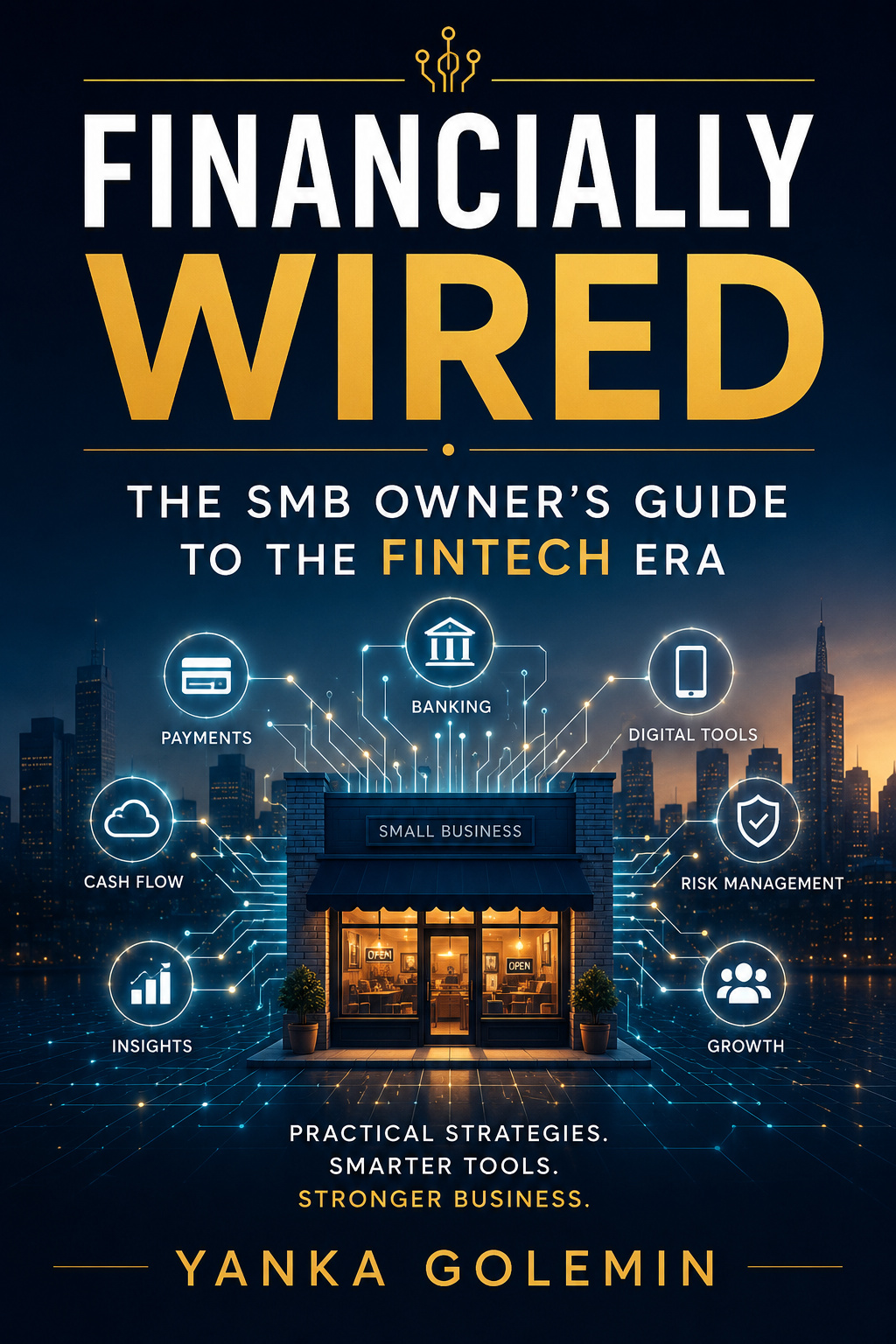
Financially Wired: The SMB Owner's Guide to the FinTech Era by Yanka Golemin

Blog Category

Blog Tag

Private counsel for SMB founders, finance leads, and operations leaders.

Financially Wired (Order Now on Amazon)

Contact Info

inquiry@yankagolemin.com

© 2026 Yanka Golemin

FinTech upskilling for SMB founders, finance leads, and operations leaders.

Quick Links

Collections

Financially Wired (Order Now on Amazon)

© 2026 Yanka Golemin

FinTech upskilling for SMB founders, finance leads, and operations leaders.

Quick Links

Collections

Financially Wired (Order Now on Amazon)

© 2026 Yanka Golemin